
Overview
Economic problems in some cities/countries can be attributed to traffic, but what is more concerning is that in some countries, it is one of the top causes of death. There’s been a total of 10,012 recorded fatalities due to road accidents in the Philippines in 2015 alone, a staggering increase of 45.76% in just 9 years. The most vulnerable are Filipinos ages between 20-24, to which accounted for 1,244 deaths in the same year. In retrospect, 500 children were killed by the same cause. (Sy, 2015).
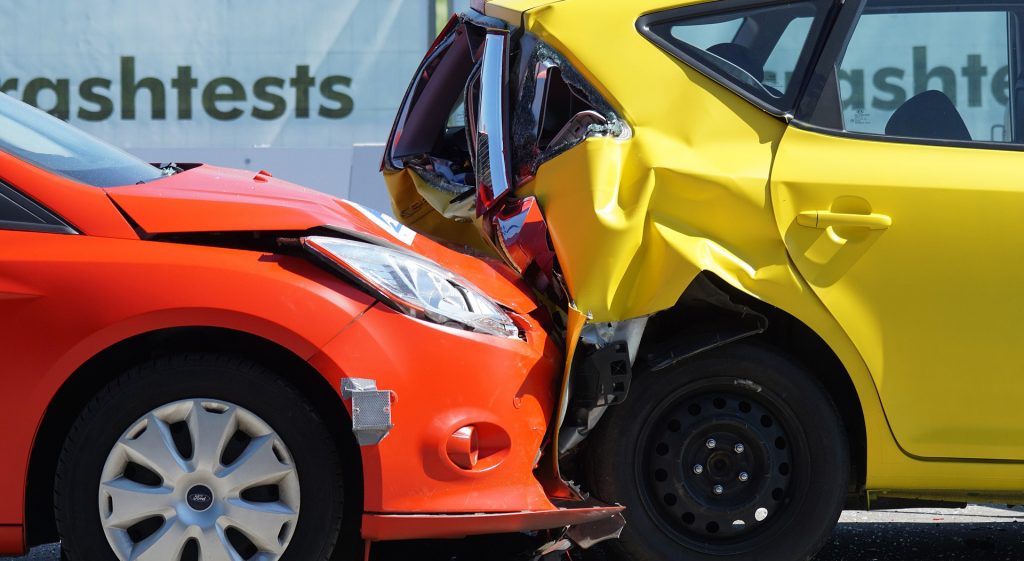
Car accidents can be attributed to a number of factors, human error is the leading cause of these accidents. In a statistic conducted by Metro Manila Accident Recording and Analysis System from 2010-2016, human-error is a top cause of vehicular accidents, such errors take form by inattentiveness, vehicle control-loss, sudden stops/acceleration, all of which has a high involvement of human interaction and control. This data is also vouched by Metropolitan Manila Development Authority road safety unit officer, Richard Domingo (Sy, 2017). Although the data does not show a direct correlation between traffic-related deaths and economy, safety is an area that needs to take precedence to achieve economic growth. A safe road is an efficient road; an efficient road leads to more economic productivity.
It is a fact that the human brain fully matures at age 25. And research shows that teens aged 16-17 are more likely to crash driving a car than an 18-year-old individual and this is due to inexperience (Hayes, 2013) and possibly, the curiosity and excitement of driving a car, which then can lead to accidents. However, given the statistics of road accidents in the Philippines, this does not mean that an 18-year-old person is in any way experienced.
There’s a saying in the finance/investment industry: “the best time to invest was yesterday”. Although learning is not limited by age (and should not be), learning about road rules and safety at an early age is a form of accident prevention, and as the saying goes “prevention is better than cure”. And by aligning financial investment with road safety, the goal should be to make “now” the tomorrow’s “yesterday” by increasing skills and knowledge to minimize human error
in driving, this can be achieved through education.
Considering that 16 years old is the minimum age requirement to get a learning driver’s permit/ license in most countries, it is safe to say that people that this is the best time to learn how to drive, this is also usually the same age where they still live with their parents before going to college, the time where they usually get less supervision or parental influence (Hayes, 2013). However, this project aims to lay down the foundation at an even earlier age by educating children aged 12 on road rules and safety using virtual reality, giving them at least 4 years of preparation, hopefully, as part of the curriculum in school. Through this, it will allow them to learn at their own pace; reinforce knowledge through repetition, and have fun with the immersion.
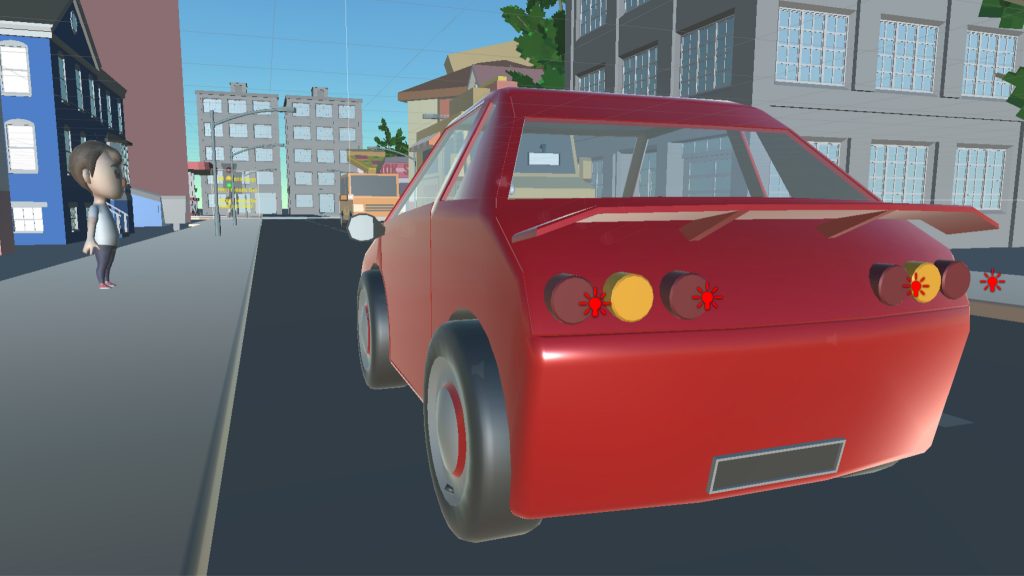
This project ultimately aims to begin research and design of a long-term solution of reduction of traffic-related deaths and accidents. If successful, it can also ease congestion in densely populated cities where traffic is a major problem.
While this is clearly still in the first stages of research and development, you could check out the VR demo of the concept here: